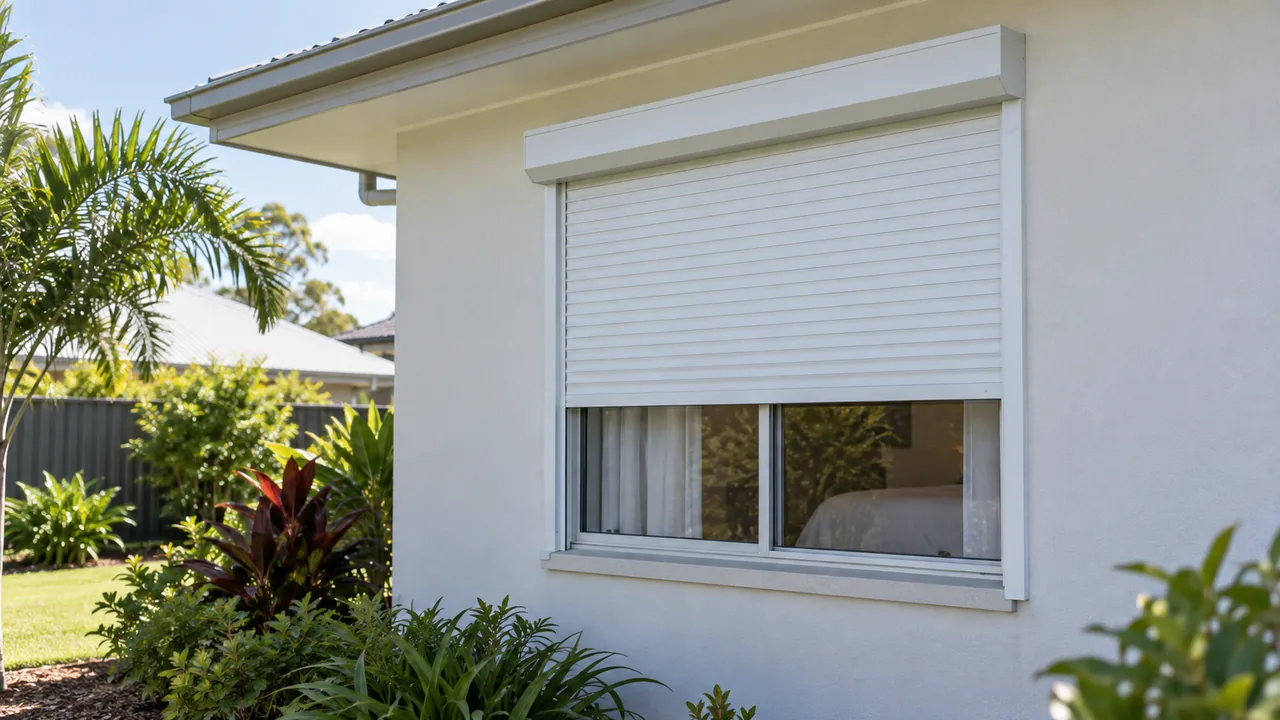
Write a room brief around the hours you use it
A bedroom shutter enquiry should start with the room's routine. Explain when you need it dark, when you want daylight and whether another person uses the room on a different schedule. A shift worker sleeping after a night shift has a different brief from someone bothered by a street light after dinner. Note the position of the bed and the direction you face when resting. Photograph the window with the existing treatment open and closed, and mark the particular light paths that bother you. These details make the discussion more useful than simply requesting blackout.
Keep the desired outcome practical. You might want less direct light on the pillow, easier control without leaving bed, or the ability to open the room normally after waking. A shutter can be considered as part of that room arrangement, but it is not a promise of better sleep or a treatment for a sleep problem. Ask the supplier to explain the physical light-control result they can offer for the actual window. That separates a product specification from a health outcome that a window-covering quote cannot establish.
Look for light around the existing treatment
Before choosing an external shutter, inspect the current curtains or blind in the conditions that cause the problem. Look above the track, down the sides and beneath the bottom edge. Check whether light reaches the room through an adjacent doorway or another window. If the main issue is elsewhere, covering the nominated window may leave the bedroom much the same. Write down each source so the supplier knows which one the proposed shutter addresses. You may still decide on a shutter, but with a clearer understanding of its part in the room.
Ask for the finished shutter's edge and housing details to be shown rather than assuming all systems darken every opening identically. Ozroll describes light control among the functions of its Rollashield shutters; the result at your home still depends on the specified product and its installation. Have the supplier explain what you can expect at the guides, sill and top housing. If a particular degree of darkness is essential, ask how they will demonstrate it and what limitations should be recorded before you place the order.
Keep daylight and privacy available after waking
Think about the room outside sleeping hours. You may want to raise the shutter fully for daylight, open the window for fresh air, or screen a street-facing view without making the room dark. Ask the supplier to demonstrate the proposed operating positions and explain what each is intended to provide. Do not assume the position used for darkness also gives the airflow or outlook you want. Compare the shutter with any internal treatment you intend to retain, because the two may serve different parts of your daily routine.
For a Cairns bedroom opening onto a verandah or patio, inspect the layers together. An outdoor blind may shade the space in front of the window, while a shutter controls the window itself. If both are being considered, ask how each operates independently and whether one obstructs access to the other. Avoid ordering overlapping products without first deciding which problem each solves. The afternoon patio-shade guide helps separate the outdoor sitting-area brief from the bedroom brief.
Check the window can still do its job
Operate the existing window fully and show the supplier its hinges, handles and insect screen. An outward-opening sash, projecting latch or removable screen may affect where shutter guides and the housing can be placed. Ask for the clearance to be shown on the drawing. If cleaning the glass currently requires removing a screen from outside, discuss how that task will work after installation. A tidy external frame should not leave you unable to use or maintain an otherwise serviceable window without a clear alternative arrangement.
Tell the supplier about any planned window repairs before final measurement. A damaged sill, loose trim or proposed replacement frame can change the installation surface. Agree which work must happen first and who is responsible for it. If you use the opening as part of a household emergency plan, raise that explicitly and seek appropriate advice for the finished arrangement. Do not assume a motorised shutter can always be opened when mains power is unavailable, or that adding a shutter leaves every existing access arrangement unchanged. Those questions belong in the specification before fabrication.
Choose controls that suit a tired person
Test the proposed control from the places you will use it. Can you reach the wall switch without stepping behind furniture? Is the remote easy to recognise in a darkened room? Does the control move only the bedroom shutter, or could a grouped command operate other openings? Ask for a local control method that ordinary household members and visitors can understand. A phone app can be an optional convenience, but it should not be the only operation demonstrated if you expect to use the room without carrying your mobile.
If the household has different schedules, discuss automatic routines carefully. A timed opening that suits one week may be unwelcome when shifts change or someone is unwell. Ask how to suspend schedules and operate the shutter directly. Confirm whether any routine depends on a network connection, an account or an additional bridge. Keep the instructions with a simple list of the controls in the room. The best control arrangement is one the actual users can operate confidently, including when they are tired and do not want to investigate a settings menu.
Ask what happens during a power interruption
Get the answer for the exact motor and control package being quoted. Manual override, battery operation and ordinary mains operation are different arrangements and should not be blended into a vague assurance that the shutter will still work. Somfy's Altus information, for example, identifies emergency manual operation for a particular variant. That is why the model and included mechanism matter. Ask the installer to demonstrate the actual procedure for your proposed equipment and identify any handle or other component you need to keep accessible.
Consider where such a component would be stored and whether everyone who needs it could reach it. If operating the override requires access outside the room or around furniture, discuss that before choosing the mounting arrangement. Ask what maintenance or charging routine applies if a battery system is proposed. Do not assume that a solar-powered option is suitable solely because the house is in Cairns; the installer needs to assess the specific panel location and equipment. Keep the agreed power-interruption arrangement in the written order rather than relying on a passing sales conversation.
Separate darkness, noise and storm claims
Tell the supplier which benefit is essential and which would simply be welcome. If light is the problem, compare the proposed light-control result first. If noise is the problem, describe its source and ask what evidence supports any acoustic claim for the installed arrangement. A bedroom can receive sound through more than the nominated window, so avoid treating a general product statement as a guaranteed room result. Request the basis of any numerical claim and clarify what it measures before using it to justify the purchase.
Likewise, a shutter selected for everyday privacy or darkness should not be assumed to provide cyclone protection. If protecting the opening in severe weather is part of your requirement, ask for a separately identified product specification and the relevant evidence for your home. The existing roller-shutter overview discusses the broader choices, but your written quote needs to distinguish them. Keeping these goals separate helps prevent a simple bedroom purchase from accumulating promises that the supplier has not actually documented or assessed.
Review the outside appearance and service access
Look at the proposed shutter from the street, garden and adjoining patio. Ask where the housing will sit, how the guides meet the window and whether the frame obscures a detail you want to retain. On an older Edge Hill home, the relationship with existing trim may matter as much as the shutter colour. Request a marked photograph rather than trying to imagine the finished dimensions from a small colour sample. If the home is subject to shared-property or other approval requirements, establish the relevant process before ordering a visible external addition.
Ask how the shutter will be serviced without disturbing unrelated finishes. Identify access to the housing, motor and any external power equipment. Where the window is above a garden bed or on an upper level, discuss how the supplier expects future work to be carried out. You do not need to solve the access method yourself, but it should be part of the ownership discussion. A concealed fixing or cable route can look attractive while making later work difficult if no service provision has been considered.
Separate the bedrooms on the order
If several bedrooms are being quoted together, record the routine for each room separately. One may be used for daytime sleep while another needs ordinary daylight and occasional street privacy. Ask the supplier to label the controls and product details by room and explain whether a grouped command can be disabled. A matching exterior does not require identical daily settings. Check that guests can operate their own room without changing another person's shutter position. This small distinction is useful in a Cairns household with mixed work schedules, where a single automatic routine across the whole frontage may be inconvenient.
Check the room at the time that matters
Arrange the acceptance discussion around your actual light problem. If direct afternoon light reaches the bed, a demonstration after dark cannot verify that particular result. At handover, check operation, clearances and the intended fully closed position, then observe the room under comparable daylight conditions. Record any specific remaining light path and discuss it with the supplier. Keep the distinction between a product operating as specified and a room expectation that was never captured in the order. The earlier photographs and written brief help both parties identify what needs investigation.
Retain the model details, instructions and the agreed procedure for power interruptions. Show each regular user how to open the shutter, stop it and disable any schedule. Confirm that the window and insect screen remain accessible as agreed, and that internal curtains do not obstruct controls. A successful bedroom shutter purchase for a Cairns home should leave you with a manageable daily routine, clear expectations about light and a known way to operate the equipment. Those practical details deserve as much attention as the appearance of the closed shutter from outside.
Your discussion checklist
Tick the details you have checked. The remaining items become your questions for the supplier. This list stays in your browser and is not submitted.
All listed details are worth discussing before ordering.
Questions answered
Will shutters guarantee better sleep?
No sleep outcome is promised. Discuss physical light control with the supplier; sleep concerns need appropriate health advice separately.
Can I keep my curtains?
Often the question is whether they still serve a useful role. Check their access, cleaning and control clearances against the proposed installation.
Can a bedroom shutter be partly open?
Ask the supplier to demonstrate the operating positions of the specific product, including how they affect daylight, privacy and window use.
Discuss the opening you actually use
Describe when you use the bedroom and where unwanted light enters. Ask for the product, controls and power-interruption arrangements to be specified together.
Call about your blinds Send opening details